

By Zach Church, Current Staff
Chris Jenkins is running for West Bend School Board to serve the community once again.
Jenkins has been associated with West Bend for his whole life. He graduated from West Bend West High School and earned his associate degree at the University of Wisconsin-Washington County. He then earned his bachelor’s degree in political science at UWM and his master’s degree in public administration from UW-Oshkosh.
After initially working in banking and sales, Jenkins began working with Washington County and the city of West Bend. He has spent 11 years working for the city, holding positions such as alderman and president of the library board. Jenkins most notably served as mayor of West Bend from 2020 to 2023.
Jenkins loves theater, and has worked with Musical Masquers for several years. He enjoys art and cartooning and also plays the guitar. His favorite movie is “War Of The Worlds” (2005), his favorite book is “The Hitchhiker’s Guide to the Galaxy” and his favorite band is Maroon 5. Jenkins also likes to sing.
He currently has five children, with two more on the way. Two of his children attend Decorah Elementary School, and one is currently at Silverbrook Intermediate School. Jenkins wants the school district to be successful as his kids continue to learn through the WBSD.
Jenkins is running for school board to continue working in the public sector and offer his past experience to the board. Jenkins hopes he will be able to assist the board with making both short-term and long-term decisions.
How will your credentials and experiences help you be a constructive member of the school board?
FULL TRANSCRIPT: The background that I have working in the public sector is an important perspective to have. Throughout my career and the different roles that I’ve had, I’ve done a lot of short and long-term strategic planning and facility studies. When I look at the district and the things that we’re going through right now with a needs analysis of our community and the decreasing student population, how much square footage do we have, what schools do we need, and maintenance, and all of the stuff that I can go on and on about, that takes somebody that can see that full picture.
Short and long-term goals need some help to guide that process along and at the end of the day, you need to be able to collaborate with administration staff and teachers because while the board may set policy, we don’t have to carry it out every day, right? It’s the people on the ground and the students that are impacted that have to deal with it, so making sure that you have that level of collaboration in there as you problem solve is a skill that I’ve done throughout my career and I would plan on bringing that to the school board.
How can the district become more safe?
FULL TRANSCRIPT: “Safe” is a pretty big term, but structurally, we need to have secure entrances. They talked about that in the community facilities study. It’s about having three levels of security, for check-in, IDs, and making sure that the people we allow in the school are the people we want in the school. So that’s the big one.
The other one is just continuing our awesome community partnerships. I know as (former) mayor of the city of West Bend that we have awesome relationships with the West Bend police department, Jackson police department, and the school liaisons. Those are the ones that, when they’re on the ground, they’re establishing real relationships and bonds with the student population. Whether it’s being there for work and gathering intel and doing investigations, or being a resource and advocate, those relationships are so valuable. Obviously continuing those or growing them are key, too.
And then finally just continuing communication. I think the school district has been doing a really good job when incidents happen, they let you know. They let the community know, whether it’s an email or Facebook post or different forms of communication, say “Hey this thing happened, we have a plan in place, though, and we took care of it,” and as long as we continue that level of communication, if anybody has questions or doubts and thinks that the right thing didn’t happen, we can fall back on saying that we followed the policy and we communicated to you as soon as we could.
What is another significant challenge the district currently faces? How will you address it?
FULL TRANSCRIPT: It’s the maintenance of the buildings and the current square footage that we have. The student population has dropped significantly, and it looks like we’re going to be at around 5,000. When I was at school there, we were closer to 7,000. I know I’m the anomaly with seven children. Most people are either not having kids or they’re having much less than I do, and so that student population is going to level out at that 5,000 number. So that means the square footage that we have is probably too much.
I’ve been gracious that I’ve taken a tour of all the schools. I know that when we walked through the high school, the East library was left the same as when I was there. However the West library has been able to get changed up, so I think that’s an example of us choosing to utilize the square footage that we have in unique and collaborative ways. But I think there is still potential there, that’s why East is still the way that it is. And so going through the needs analysis that we’ve been doing and the community feedback, at the end of the day tough decisions are going to need to be made. We probably don’t need five elementary schools, and we probably don’t need a separate district office. It is more advantageous that it should be part of the high school because the administration would have a known presence. All of those conversations around maintenance are another key issue.
How can common ground be found when it comes to divisive topics?
FULL TRANSCRIPT: This is a skill set that I feel I’m pretty good at. As mayor I had to do a lot of that. What’s unique about being a mayor of a city is that the mayor doesn’t vote, so my job is to bring opposing sides together; push forward an idea, let that conversation happen, and try and form a consensus so we can move forward. So having facilitated that, I think the way that you get there is you have to bring everyone to the table. It doesn’t mean that they’re going to like each other, but as long as you have all of the stakeholders there they can all either vent or say their opinions or share their perspective.
Then as you formulate those solutions, you’re going to have ideas from each of those people at the table just naturally, because when you hear each other out then you say, ‘Oh I understand that you are frustrated about that but I think it’s this’, right? You find that level of understanding and I think that at the school district level, I sure hope that when all the stakeholders are there it’s because we want good schools. We want our children to learn and communities to grow and I think we have a unique opportunity in the school district because we have to come together under that shared perspective and desire to move our district forward. I have experience doing that and I look forward to doing that on the school board.
Please say one nice thing about each of your opponents.
FULL TRANSCRIPT: I know Mr. Zwygart has been a stable presence on the school board for a long time. He runs a great meeting, is so professional, and is willing to listen to all sides, so I give him a lot of credit for that. I’ve talked to Mr. Schulz a couple of times, he’s clearly very passionate about what he believes in, and sometimes we need passionate people on the school board. I don’t know Mrs. Ramani very much, but from what I’ve read so far she seems like a solid professional with a great background that would be great for the school board as well.
Read about the school board candidates at The Current. Three candidates responded to requests for interview. The school board election is April 2.
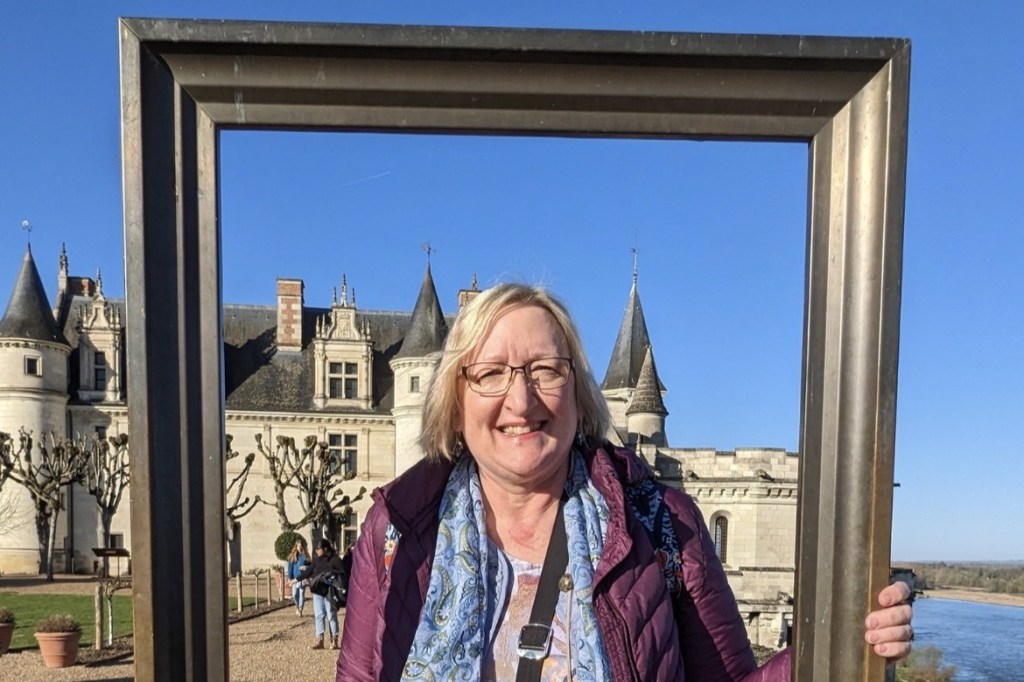
(Photo courtesy of Chris Jenkins.)

 The West Bend Current
Leave a comment