
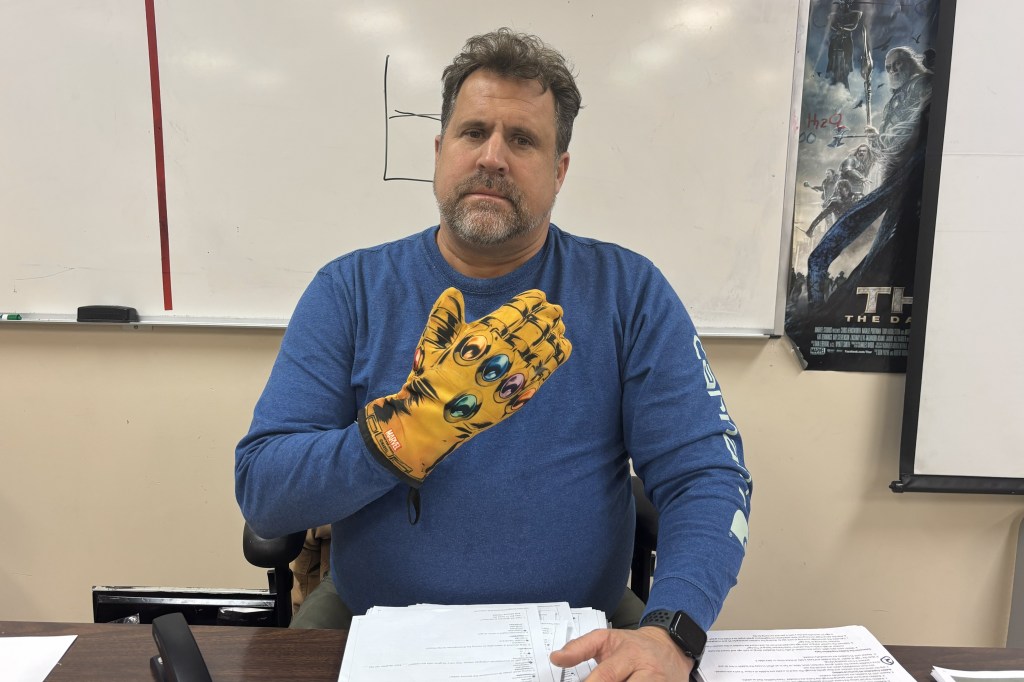
A popular biology and AP Environmental Science teacher at the West Bend High Schools has passed the crown of the environmental club Saving Earth Every Day (SEED) to special education teacher Ryan Olson and science teacher Emily Hoyt. As he nears retirement, Paul DeLain speaks of his legacy and fondness for his students, but his story remains a mysterious tale. Here he reveals his secrets and stories, shares feelings about giving up his beloved club and recalls his favorite strange-yet-straightforward SEED memory.
Where did you go for college and what did you major in?
I went to a local two-year college, spent two years at Stevens Point, and two years at UW-Milwaukee, graduating with two degrees, in wildlife management along with biology and conservation.
What sparked your initial interest in environmental science?
Growing up in a family of 12 kids, life had to be simple. We made our own fun and often that was done outside. When you grow up in nature you develop a relationship and are concerned about threats to it.
Why did you decide to make a club like SEED?
Students would stay after AP Environmental Science and talk about environmental issues that they were concerned about. It seemed natural to create a club about it.
What was your favorite part about being a part of SEED?
Mr. Olson.
What major benefits would students gain from being a part of SEED?
Reconnect with the environment, learn about local and global environmental issues, be empowered to make changes and gain volunteer hours.
Why did you make the decision to pass SEED to a new adviser?
As I near retirement I thought it best to pass the club on to another so I could help by mentoring and advising from a distance.
Do you have any concerns about SEED and how it may be run in the future?
NO. In fact, I felt I was holding SEED back as I became more busy. I have been very impressed with the executive team elected and the new advisors, Ryan Olson and Emily Hoyt.
If you could give advice to students wanting to enter the environmental science field, what would you say?
There are better ways which allow people more access to resources indefinitely with less impact on the planet. Humans can coexist with ecosystems and critters instead of dominating them.
Image: Paul Delain. Photo by Shiloh Peters, Current Staff.



 The West Bend Current
Leave a comment