
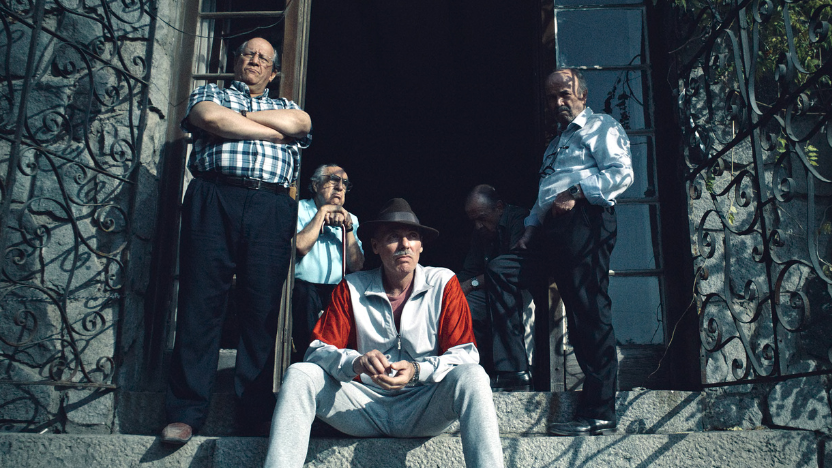
By Noah Mintie, Current Staff
Special effects, production design, dialogue and even sound may be cornerstones of the film industry, but they were all additions to cinema at some point.
There is one element that has been there from the start, however. Ever since the first 16 seconds of its existence in “The Horse in Motion,” light has been the key to making the movies work. It is a shame, therefore, that modern movies so frequently forget how atmospheric and beautiful lighting can be when put to film.
I had high expectations walking into Felipe Carmona’s “Prison in the Andes,” a film detailing the coddled lives led by the prisoners who once served as the right-hand men of Chilean dictator Augusto Pinochet. One thing that I did not expect to be such a major factor of the film’s quality was the lighting. The majority of the film is shot in the titular prison, with the actual Andes only serving as the faintest backdrop to the occasional outdoor scene.
In retrospect, the sky barely makes an appearance in the film, as the roofs and tree branches above obscure any trace of it. This creates a feeling of subtle confinement, which is fitting, as it is set in a prison, after all. The only evidence that a sky even exists is the milky light streaming through the windows, making silhouettes of the characters on screen. It is a reminder that freedom exists, it just cannot be seen.
Of course, the most immediately apparent use of light in the film is seen in the woods. Many of the scenes set in this location use a thick, syrupy amber light which engulfs half of the characters’ faces, while a cold, icy blue illuminates their other side. This contrast is undoubtedly deliberate, creating an atmosphere just as divided against itself as the characters of the film.
When a movie is set in one location for an extended period of time, it is important that the director finds a way to keep it visually interesting. Whether it’s the diagonal beams of light that shine through the trees and illuminate a falcon in a sort of aura, or the mellow glow of a house lamp spreading across the wall, Carmona has undoubtedly proven that he can do just that. “Prison in the Andes” may drag the viewer through long conversations and a confusing plot, yet it never feels useless or insignificant, thanks to the masterful manipulation of light.
Four theaters, one city and hundreds of films: the true ingredients needed to make magic. The Milwaukee Film Festival is a beloved local event and the 2024 edition wrapped April 25. I saw six fantastic movies this year. Each was stylistically, tonally and visually different from the last, so I will offer a focused analysis of each film’s unique strengths in a series of reviews.
(Image courtesy of Milwaukee Film.)

 The West Bend Current
Leave a comment