
VIEWPOINT
By Noah Mintie, Current Staff
You can’t use a Chromebook for everything.
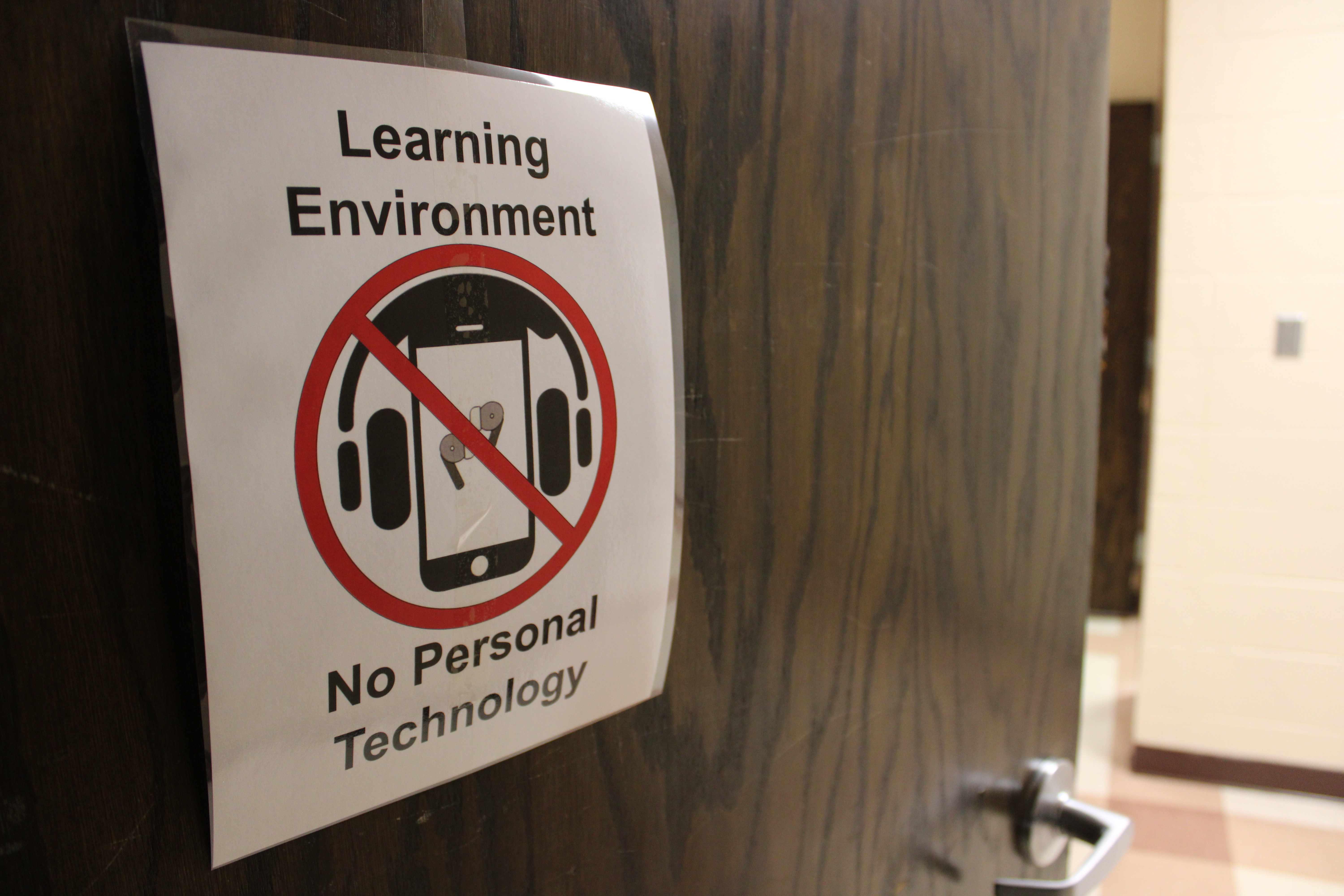
The first day of school started mostly as expected for the upperclassmen at the West Bend High Schools on Sept. 3. Just like in previous years, in each period teachers played a brief presentation from the administration about etiquette, expectations and other general information. This time, however, students were floored during the second hour presentation. This year, all personal technology was banned from usage during class, study halls and even resource time. No exceptions whatsoever.
This action has been in the works for a long while. Around spring of last year the WBSD Way Committee proposed a solution to address the issue of personal technology usage during learning time. They shared their idea with the administration and the Principal Advisory Committee (PAC): a school-wide ban of all personal technology. Though nothing is known about the administration’s reaction to the proposal, the PAC, a group of students (which I am a part of), unanimously deemed the policy too radical.
Over the summer it seems the proposal became a reality, albeit diluted from its original form. Personal technology is allowed in the halls during passing periods and in the cafeteria. Still, the second one enters a class or study hall, the expectation is that it goes away.
At first glance this seems reasonable. Students have their school-issued Chromebooks, which provide access to academic resources, music and even entertainment if they are done with their work. Surely any phone-related need could wait 45 more minutes, right?
Problem #1: Personal technology is a useful resource, and will be well into the future.
“I cannot bring my personal laptop to school because of the new rule, and as such, I cannot do work for some of my extracurriculars,” said West senior Elyse Reedell, member of several co-curriculars such as Future Business Leaders of America and the debate team. “The school blocks a lot of the sites I need for evidence in debate.”
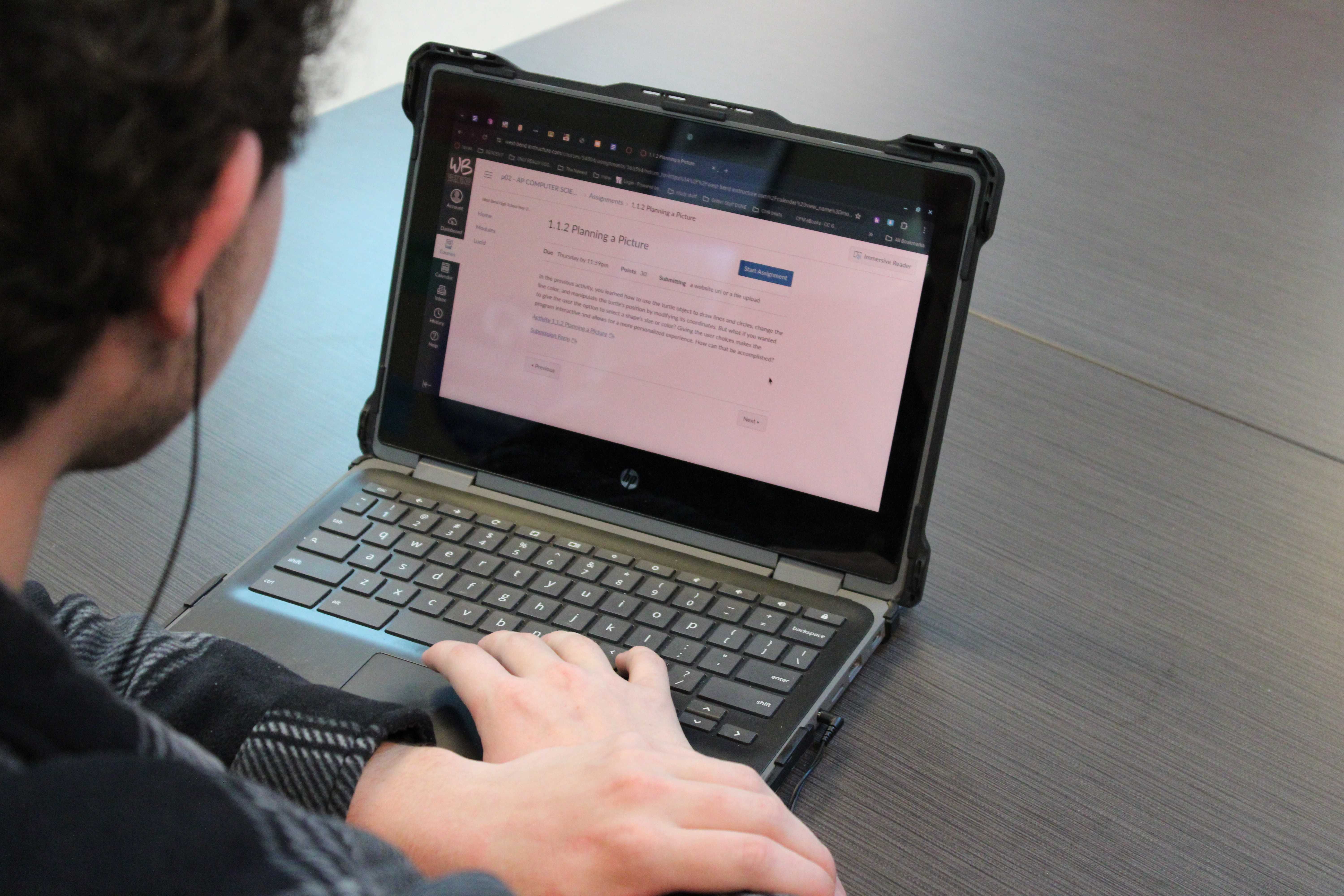
School-issued Chromebooks are a jack-of-all-trades when it comes to productivity. Any immediate need can be performed in some form; whether it’s communication, research or school work, the devices have an outlet to perform required actions. Still, do not forget the second part of the old adage: jack of all trades, master of none.
Emailing a parent from a school account is clunky in comparison to a brief text message, which is more likely to reach them wherever they are. For last minute schedule changes, that small amount of time can make a difference. Additionally many classes require submitting pictures of assignments on the Canvas software. This can be done with Chromebooks, but the images are incredibly low quality and the device itself is unwieldy, difficult to balance while snapping the picture. Chromebooks also struggle with research tasks, since many useful websites are blocked not because of explicit content, but “due to ads.”
School devices also can’t access home accounts. One pivotal moment this year, I was emailing my admissions counselor at a college (which I had to do on my phone from my home account) during resource time, and was told to put the phone away. Last year it wasn’t uncommon for students like me to ask our teachers to do things just like this on our phones, and resource time is a period where we are supposed to be working on college/career related work, yet my ability was impaired by this new policy. Was it worth that to ensure other kids stay off of their phones?
As it turns out: no, because it won’t fix the problem anyway.
Problem #2: Banning personal technology does nothing to solve the issues at hand.
“I only have a problem with it during study hall, because I consistently have no homework,” West sophomore Cameron Korolewski said. “The freedom from having no homework is limited because of this rule.”
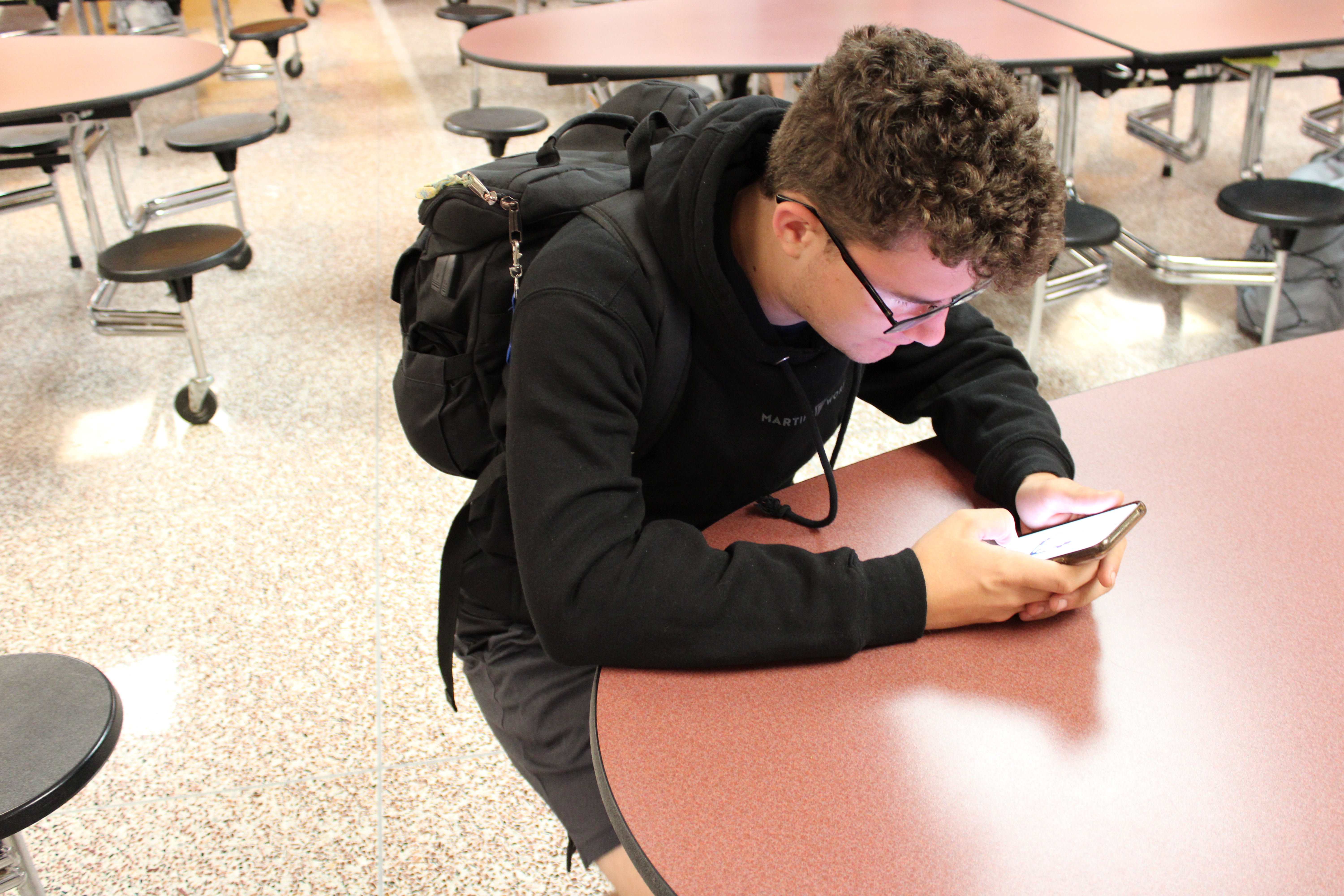
Recreational time on personal devices is inherently a reward. In study halls and resource time in the past, teachers stressed that you should do school work first, phone time second. Kids would, of course, break this rule because they didn’t want to do work. Now kids don’t have their phones, but that does not solve the source of the problem: they don’t want to do work. The administration has taken a means of distraction away from the kids, but they still have their Chromebooks. They still have each other. Even if you took both of those things away as well, if they aren’t motivated to do work, then they won’t do work. Teenagers are stubborn.
So what does this policy accomplish? Well, it takes devices away from the students who earned their free time while not changing anything for the kids who haven’t.
The other topic this policy intends to address is student mental health. The WBSD Way committee originally championed this as another benefit of the ban: kids spend less time on social media and therefore have fewer issues with technology affecting their mental health. They cited studies that drew connections between depression, anxiety and social media.
Social media does harm mental health, but the school isn’t minimizing students’ contact with it where it matters. Kids don’t only log on to social media during the school day. They access it at night, too. For example, Juliann Garey from the Child Mind Institute identifies screen time as one of three major causes of sleep loss for adolescents. By robbing kids of recreational device usage they might have during the school day, chances are that they’ll easily make up for their lost time at home.
The only thing the policy can effectively do is punish kids who do break the rule, hopefully reducing the number of write-ups in the future. The school is clearly eyeing a world where technology is not a distraction to learning, but should that world even exist?
Problem #3: Banning personal technology robs students of developing good habits.
“Of course, computers should be the only device a student should use during class, but obvious exceptions are not included in the rule,” West ninth grader Gohan Ward said. “The rule paints things in black and white, allowing no nuance when there is obviously a gray area.”
Perhaps the high number of personal technology-related referrals the policy was meant to reduce was actually a good thing. Students are going to have their phones for their whole lives, and being distracted by them is a personal struggle that they will experience well outside of high school. The difference is that outside of high school there are no referrals. If they are on their phone during a professor’s lecture or a project briefing, nobody will stop them. They will only hurt themselves, spiraling into a cycle of addiction that isn’t easily broken. The punishment won’t be an email to a parent and an office referral, it’ll be expulsion or even the loss of a job.
Is it better to learn work-life balance habits in high school with low stakes, or elsewhere with unforgiving consequences? The former is clearly the answer, and usually the administration is effective in providing the required experiences, but banning technology altogether is a step in the wrong direction. As technology becomes more and more integral to the lives of students, just having them go cold turkey during the school day and then be free to do whatever they want at home demonstrates the wrong mindset. It’s too black and white. What happens when they inevitably have to use their phones as a study resource? Now they have no experience using their phones academically, and are more likely to lose focus every time a notification dings or a text message pops up.
Mixing personal technology with work is a certain requirement within the coming decades, and one could argue that’s already the case right now. Students won’t be able to just abandon their laptops and phones when they enter the virtual or physical office, so why actively take steps to prepare them as if that is the case?
This new policy is clearly a mistake. It appears to have spawned net-negative consequences with no visible benefit. Fortunately, this makes the solution clear-cut: go back to last year’s policy.
Photos by Noah Mintie, Current Staff.
The Current welcomes submissions from all students, faculty, administrators and community members, but reserves the right to edit for length or content. Any column, editorial or letter to the editor expresses the opinion of the author and not necessarily the entire staff.



 The West Bend Current